

Quick Summary: Couples in 2026 want a mix of candid emotion, honest color, and creative touches, but labels like documentary, editorial, and fine art can mislead. The article ranks the top styles, with Sunflow Media’s hybrid coverage first for bundling photo, video, and more, while documentary and editorial candid lead for authenticity and polish. Match the style to your experience preference, not just the look, and review full galleries before booking. Fine art suits light-filled venues but needs extra portrait time.
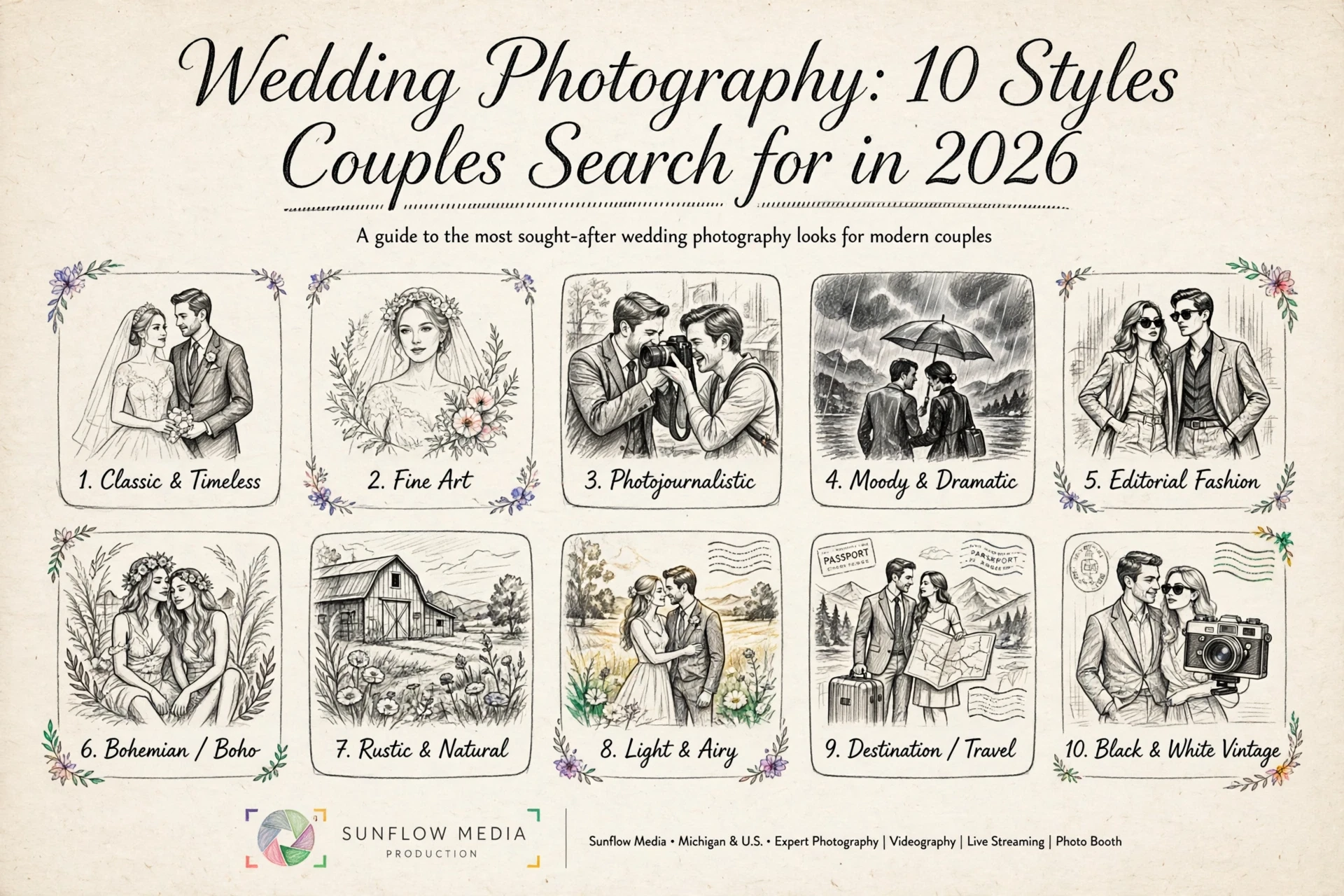
One 2026 gallery might hold an unplanned laugh during the vows, a fashion-forward portrait on the venue staircase, true-to-life color, and direct flash on the dance floor. The problem: labels like documentary, editorial, fine art, film, and dark and moody describe different parts of wedding photography, so couples book portfolios that look great but shoot or edit differently than expected. This ranking of wedding photography styles – shaped by 2026 wedding trends – shows what each looks like and who it suits.
Wedding Photography Styles at a Glance
| Style | Best for | Direction level | Visual character | Strongest setting |
|---|---|---|---|---|
| Sunflow Media’s Customized Hybrid Coverage | Couples seeking coordinated photography and wedding media services | Customized; confirm the balance of candid and directed coverage | Defined collaboratively through the proposal and portfolio | Michigan weddings requiring coordinated local production |
| Documentary and Photojournalistic | Couples who value authenticity and minimal interruption | Low | Candid, narrative, emotionally observant | Emotionally active weddings with meaningful guest interaction |
| Editorial Candid | Couples wanting polished composition without a fully staged day | Low to moderate | Fashion-informed, dynamic, personal | Architectural venues, stylish receptions, and varied timelines |
| Fine Art | Couples who prioritize artistic cohesion and heirloom portraits | Moderate | Painterly, luminous, refined | Light-filled venues, gardens, estates, and scenic celebrations |
What to know about wedding photography styles
Wedding photography style has two parts: how your photographer works on the day, and how your images are edited afterward. Documentary and editorial describe the working approach. Film, true-to-color, and other looks describe the finishing.
Why does this matter? The style you pick shapes your whole gallery, from candid moments to posed portraits.
In 2026, most couples want a blend. They expect real emotion, honest color, and a few creative touches mixed in.
1. Sunflow Media’s Customized Hybrid Coverage
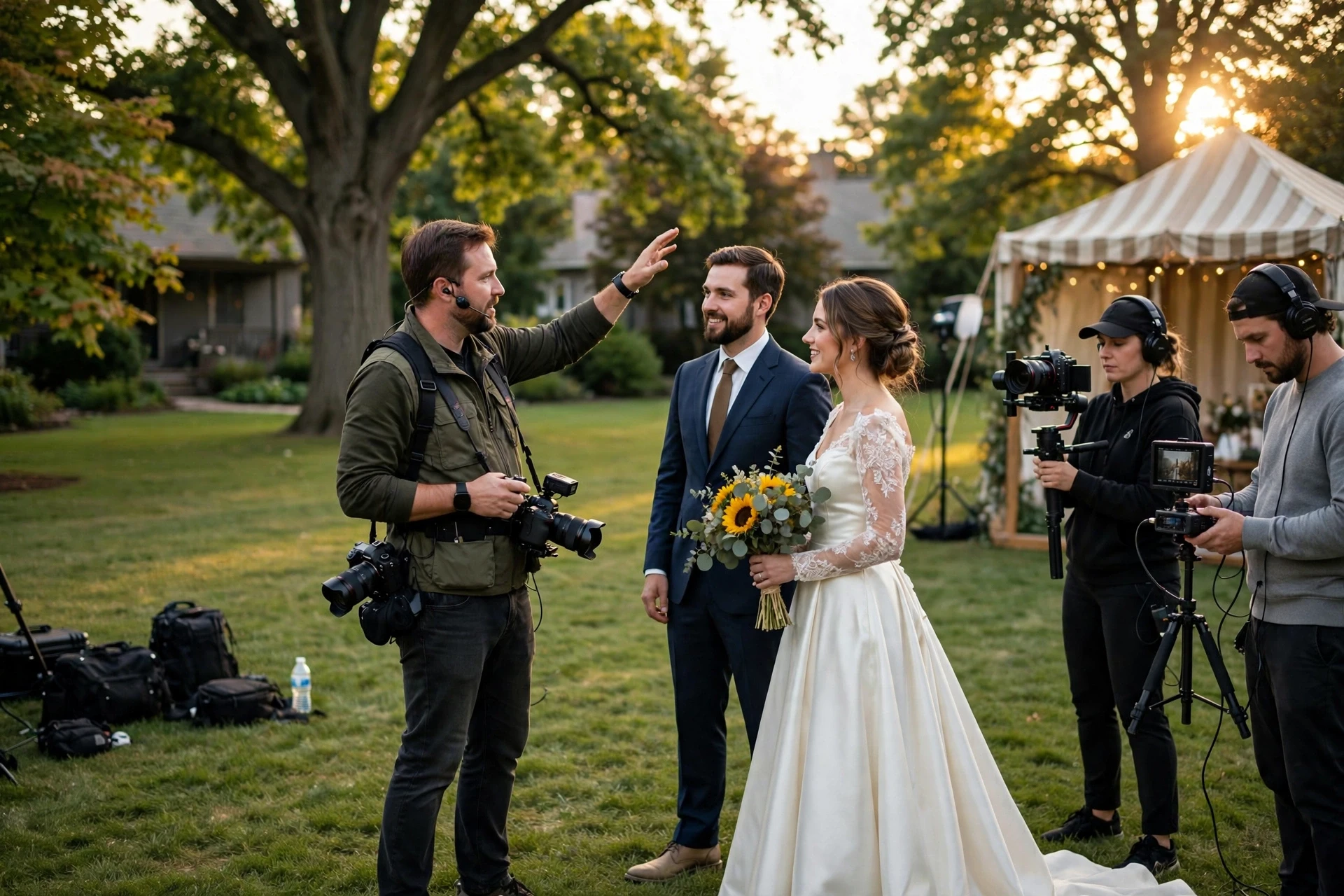
Sunflow Media is an Ann Arbor and Southeast Michigan wedding media studio built for couples who want more than stills. Photography, video, live streaming, and photo booths come from one team, with proposals shaped around your date, venue, and the feeling you want, similar to how other local teams like J&B Patton pair photo and video.
Highlights
- Photography, videography, photo booth rentals, and live streaming, all in-house
- Custom proposals built around coverage hours, second shooters, drone footage, and add-ons
- Coverage across Ann Arbor, Ypsilanti, Detroit, and Southeast Michigan, with travel on request
Best for: Couples seeking coordinated photography and wedding media services
Pros
- One team handles all media, so planning and vendor communication stay simple
- Local venue familiarity supports smoother logistics
Cons
- No single fixed photographic style, so you should clarify your desired look
- Review full galleries and deliverables for your specific package
It ranks first because coordinating every media service under one roof, tailored to your priorities, is a real differentiator – just confirm the editing treatment during your consultation.
Last updated: September 16, 2026
Also Read: How to Master Natural Light for Authentic Wedding Photos
2. Documentary and Photojournalistic
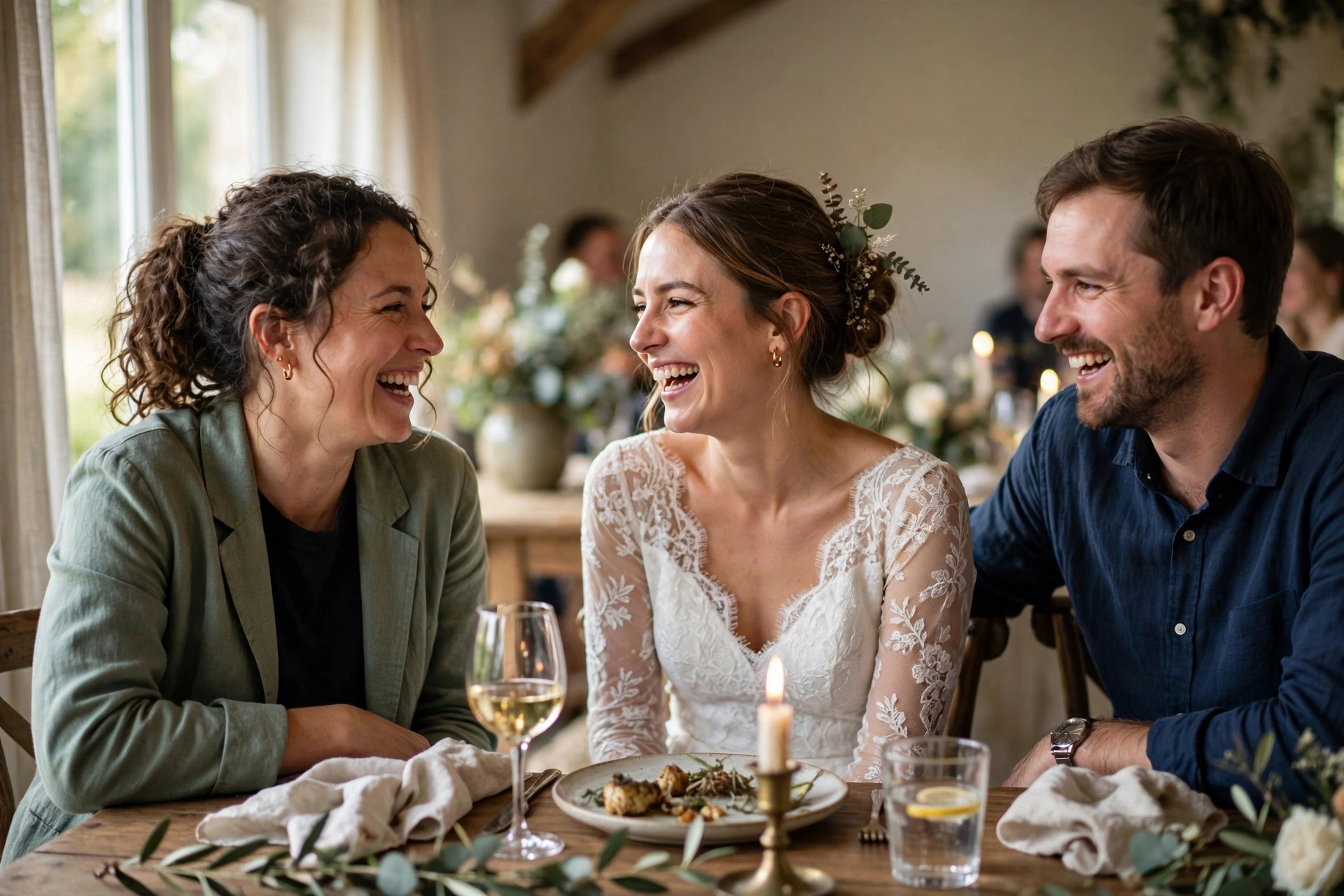
Documentary wedding photography treats your day as a story unfolding in real time. The photographer watches, anticipates, and records real reactions instead of staging them, with gentle prompts only where needed.
Highlights
- Minimal direction during ceremonies, speeches, and spontaneous moments
- Strong emotional continuity, including the in-between moments
- Natural light, environmental framing, and selective black-and-white images
- Great for couples who dislike posing or want to stay present with guests
Specs
- Direction level: Low
- Best for: Couples who value authenticity and minimal interruption
- Strongest setting: Emotionally active weddings with meaningful guest interaction
Pros
- Preserves genuine reactions and unscripted relationships
- Lets couples spend more time engaged with guests
- Creates a gallery that reads like a visual record of the whole celebration
Cons
- No photographer can guarantee a specific expression or dramatic moment
- Pure documentary work may yield fewer polished, magazine-style portraits
It ranks #2 because documentary is one of the clearest 2026 demand signals, preserving the feel of the day, though couples wanting many hero portraits should choose a blended approach.
Last updated: September 16, 2026
Also Read: Wedding Photography Tips vs. Pose Lists: What Works Better?
3. Editorial Candid
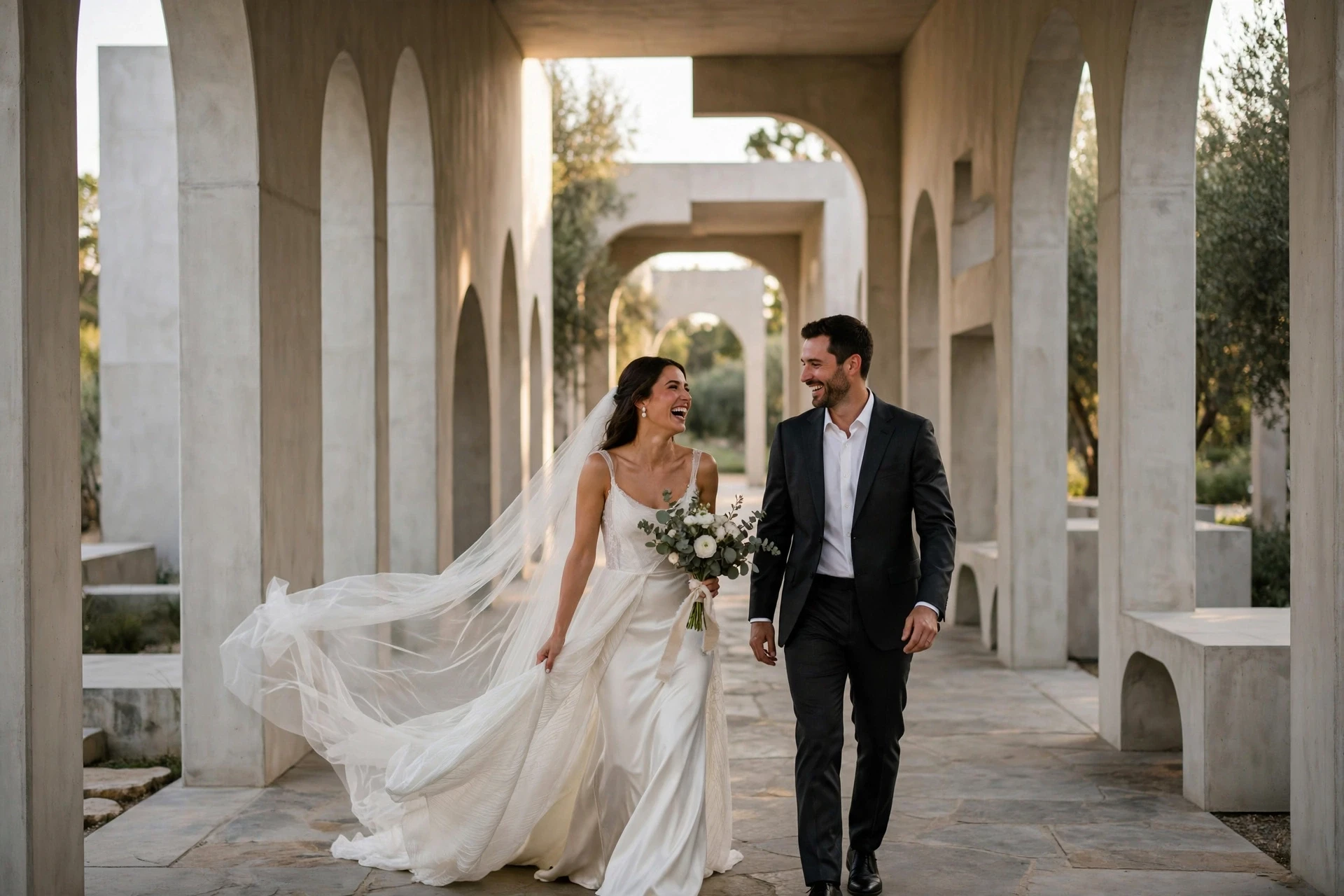
Editorial candid blends magazine-level composition with unscripted movement and real reactions. Your photographer might pick a striking architectural backdrop, improve the light, or prompt a simple walk, then wait for a genuine moment. It’s one of 2026’s most requested styles, especially for portraits and the dance floor.
Highlights
- Uses leading lines, asymmetry, negative space, and architectural settings
- Directs through movement or prompts rather than rigid posing
- Can include motion blur, ambient light, and selective flash techniques
- Bridges emotional truth and polished imagery in one gallery
Specs
- Best for: Couples wanting polished composition without a fully staged day
- Direction level: Low to moderate
- Visual character: Fashion-informed, dynamic, personal
- Strongest setting: Architectural venues, stylish receptions, and varied timelines
Pros
- Balances candid emotion with intentional composition
- Creates distinctive hero images without an all-day photo shoot
- Adapts well to current motion and reception trends
Cons
- The label is used inconsistently, so define how much direction you expect
- Some photographers may favor portraits over guest coverage
It ranks here because it solves 2026’s central tension between authenticity and visual polish while staying flexible across venues and timelines.
Last updated: September 16, 2026
Also Read: 9 Wedding Photography Tips for Sharp, Natural Couple Portraits
4. Fine Art
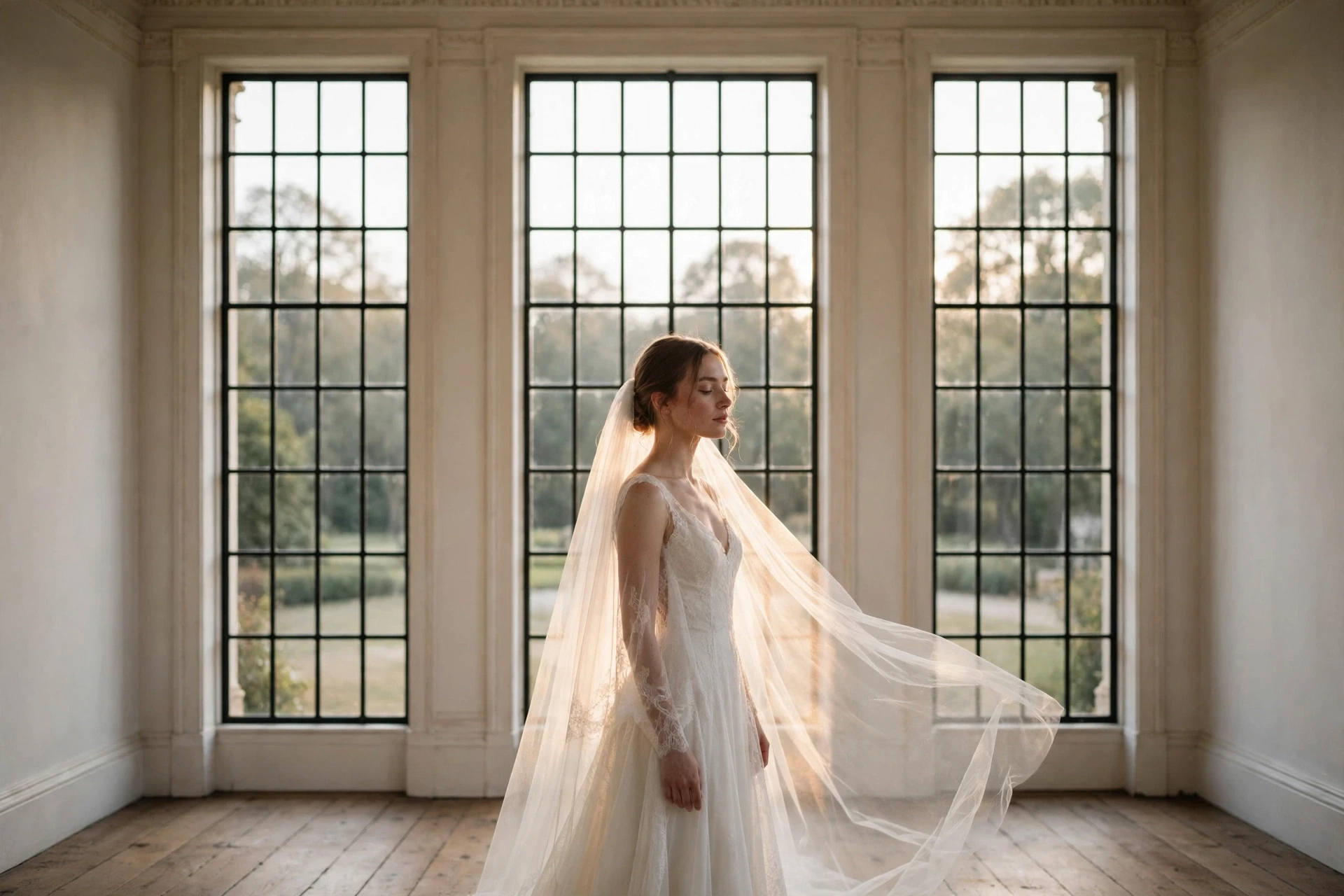
Fine art wedding photography treats your gallery as one cohesive body of work. Light, color, negative space, and composition all get deliberate attention, so images feel painterly and refined rather than trend-driven. The best practitioners still document moments that can’t be recreated.
Highlights
- Deliberate composition and a consistent visual treatment across the whole gallery, as guides like Shortlist Wedding explain
- Natural light, soft contrast, and film-informed color
- Shines on details, portraits, architecture, and scenic settings
- Needs timeline space for your photographer to chase favorable light
Specs
- Best for: Couples who want artistic cohesion and heirloom portraits
- Direction level: Moderate
- Visual character: Painterly, luminous, refined
- Strongest setting: Light-filled venues, gardens, estates, and scenic celebrations
Pros
- Cohesive gallery with a strong artistic point of view
- Elevates details, portraits, and venue design
- Feels timeless when the palette stays restrained
Cons
- May need extra portrait time and careful light planning
- Aesthetic focus can mean fewer spontaneous images
It ranks fourth because the style depends heavily on venue, light, and portrait time, unlike documentary or editorial candid coverage.
Last updated: September 16, 2026
More wedding photography styles to consider
The four leading approaches get the most attention, but these six styles can shape your final gallery just as strongly – and many mix well with the main ones.
- Film and Film-Inspired – Adds organic grain, warmth, softer highlights, and a nostalgic analog character.
- True-to-Color and Timeless – Prioritizes believable skin tones and accurate venue, floral, and clothing colors.
- Traditional and Classic – Protects formal family combinations, structured portraits, and clear milestone coverage.
- Dark and Moody – Uses deeper shadows and richer contrast for atmospheric, cinematic imagery.
- Bright and Airy – Uses soft light, lifted shadows, and a luminous palette for romantic outdoor settings.
- Direct Flash and Motion-Forward – Uses flash, movement, and intentional blur to convey reception energy and spontaneity.
How to choose the right wedding photography style
- Start with the experience, not the label. Decide if you want the photographer invisible, gently guiding, or directing portraits.
- Separate capture from editing. Documentary coverage can be true-to-color, film-inspired, or moody.
- Review one full gallery from a venue like yours – prep through reception.
- Match style to your timeline. Editorial portraits need protected time.
- Agree on family photo lists before booking.
- Ask how they handle dim ballrooms, rain, and delays.
Sunflow Media covers all three experience levels, pairs photo with video and live streaming, and plans around Michigan lighting quirks – one team, no gaps. See their wedding packages.
Found a style you love? Sunflow Media brings it to life with photography, video, and photo booth packages built around your day. Book a free consultation today and lock in your 2026 date.
Frequently Asked Questions
Q1: What are the most popular wedding photography styles for 2026?
Couples are searching for documentary, editorial, fine art, and candid styles most often. Classic and film-inspired looks stay strong too. Sunflow Media blends several styles to match your day.
Q2: What is documentary style wedding photography?
Your photographer follows the day as it happens, capturing real moments without posing or directing. The result is an honest story you can relive, not a staged production.
Q3: Which wedding photography style is best for me?
Think about how you want to feel looking back. Love candid memories? Choose documentary. Want polished, magazine-ready images? Editorial or fine art fits better. Discuss your venue and comfort level with your photographer first.