

Quick Summary: Mastering natural light for weddings means planning around each light change, from window portraits to golden hour, and using flash only when room light fails to protect key moments. The article advises moving subjects toward light direction, scouting venues at ceremony time, and asking photographers about dark-room and weather backup plans. It stresses soft window light, open shade, and low-power bounced flash for authentic, natural-looking photos all day.
A bride can leave a bright garden aisle, pause in a dark doorway, then reach a candlelit dance floor within hours. Authentic wedding photos come from reading each change, not relying on one trick.
This guide explains natural light photography, wedding photography lighting, and when flash protects key moments. With full-day wedding experience, we show how photographers plan for real light so authentic wedding photos stay honest, warm, and complete.
Read Natural Light for More Authentic Wedding Photos
Look for Direction, Shape, and Separation
Natural light feels real when it has a clear source. Ask your photographer to notice where light falls, then turn you toward it or slightly across it.
- Front light shows faces clearly.
- Side light adds shape to a dress, veil, and features.
- Backlight can separate you from the background with a soft glow.
Soft, low-angle sun creates longer shadows and more direction, as Adobe explains.
Keep moving during portraits. A few steps can turn flat light into a more natural frame.
Why Windows and Open Shade Work So Well
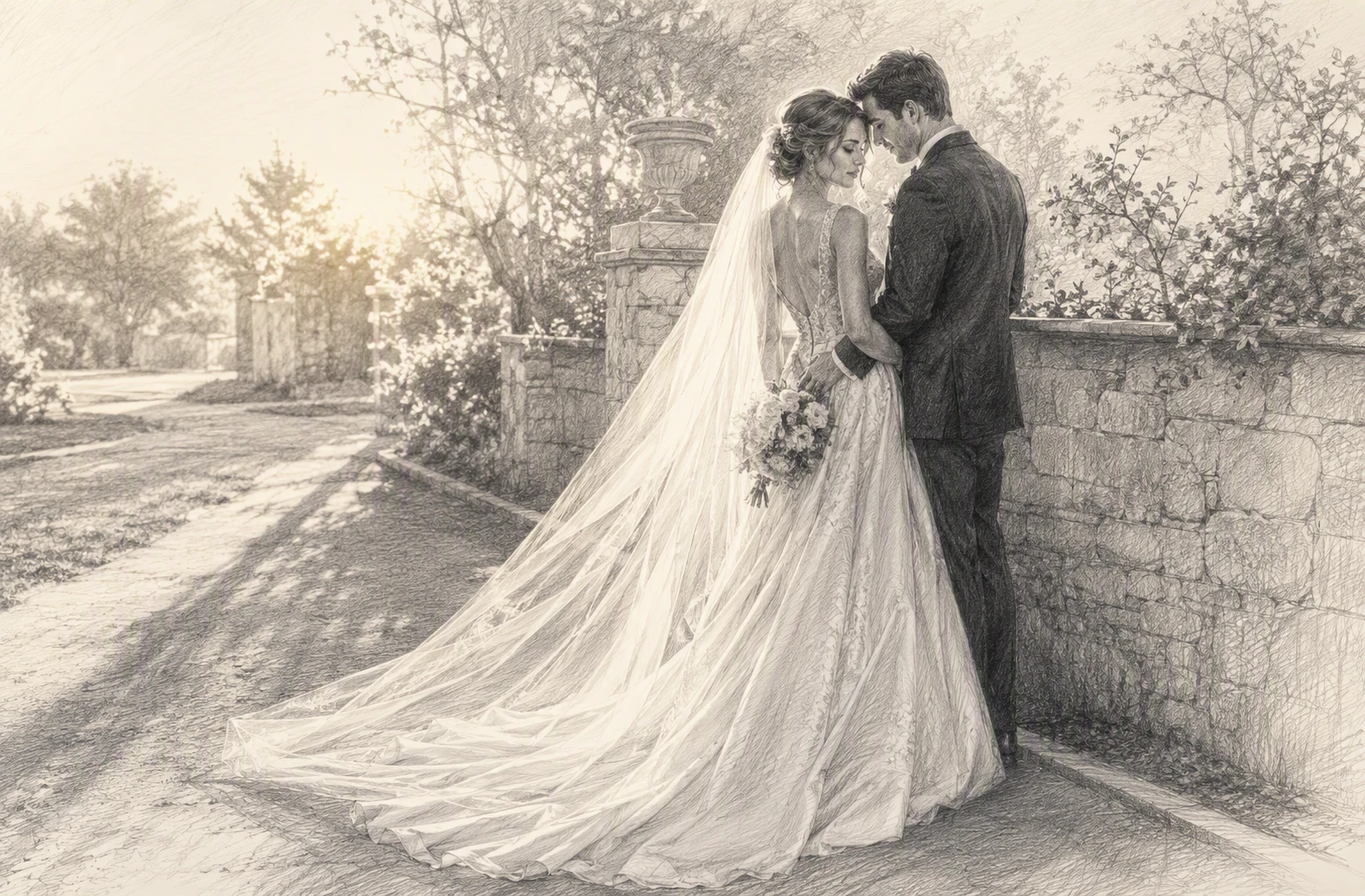
Windows and open shade give faces even, gentle light. They reduce squinting and harsh shadows, helping candid moments look relaxed rather than staged. Diffused light is especially kind to skin tones.
Avoid deep shade under trees. It can add uneven green color to skin.
Also Read: Wedding Photography Tips vs. Pose Lists: What Works Better?
Use the Best Natural Light Throughout the Wedding Day
Getting Ready and Indoor Portraits
Start near the largest window. Clear bags and clutter, then turn faces toward soft side light. It shows skin tone, dress detail, and real reactions without harsh shadows.
Ceremonies, Midday Sun, and Open Shade
Ask about the ceremony angle before you set the timeline. Midday sun can cause squinting and deep eye shadows, so use open shade or place the sun behind the couple. UMN Extension notes that morning light is less intense than afternoon light.
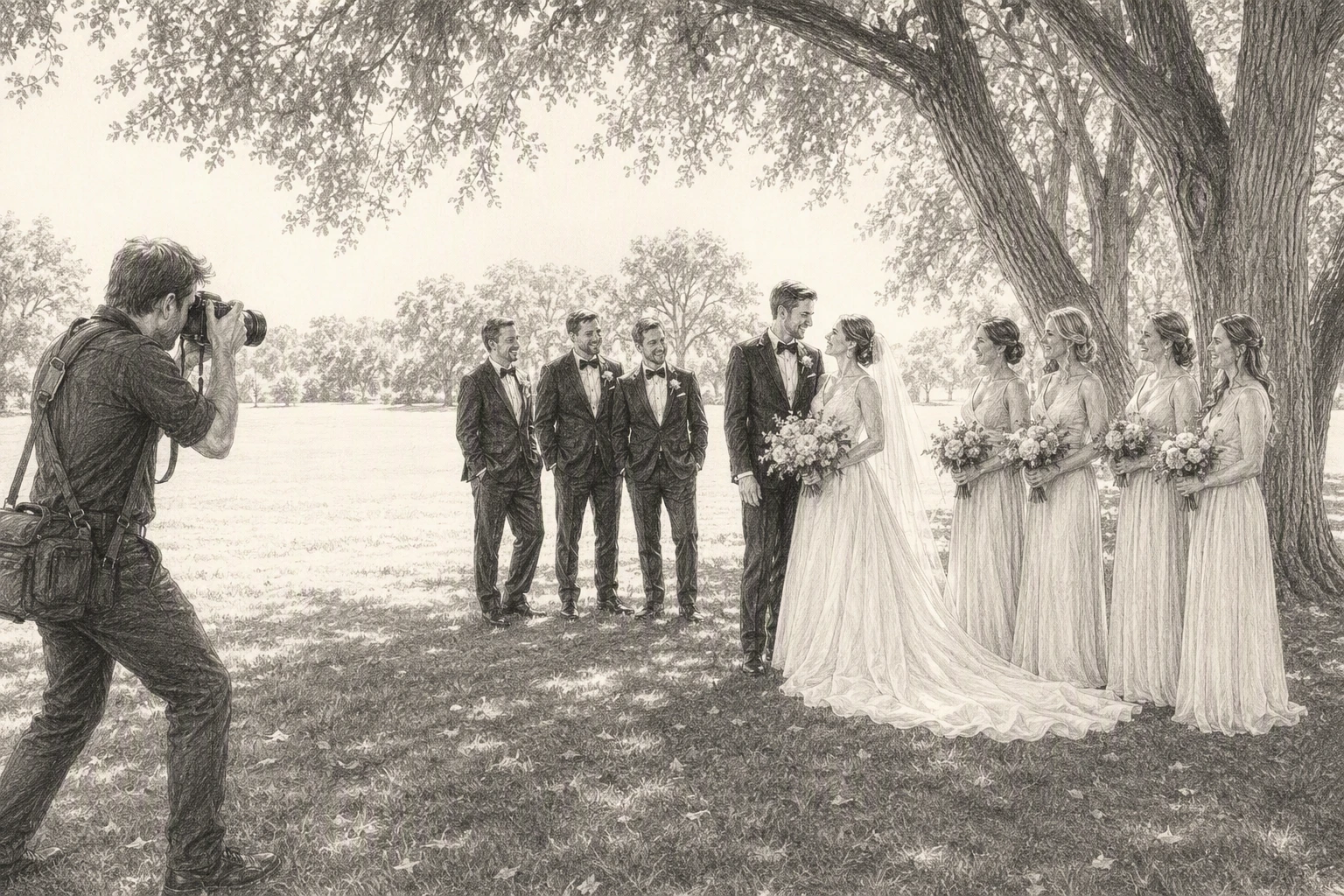
Tip: Avoid patchy tree shade. Light spots across faces are hard to fix.
Golden Hour and Backlit Couple Portraits
Save 15 to 20 quiet minutes before sunset for couple portraits. Put the low sun behind you for a gentle rim of light, then expose for faces. Keep moving as the light changes fast. A small flash may still be needed once the sky dims.
Also Read: Michigan Wedding Venues: 11 Scenic Spots for 2026
Know When Flash Protects the Mood
Indoor Ceremonies and Dark Getting-Ready Rooms
Flash protects the moment when window light cannot show faces clearly or keep images sharp. In dark rooms, a photographer can bounce a Speedlite off a pale wall or ceiling for soft light, rather than blasting direct light at people. Canon notes that bounced flash spreads light more evenly and reduces harsh shadows.
Ask your photographer how they handle dark venues before you book.
Receptions, Dancing, and Natural-Looking Flash
At the reception, controlled flash freezes movement while keeping the room’s warm glow visible. The key is low power, balanced with ambient light, not a bright white dance floor. Wedding reportage techniques show how flash can isolate key action without stopping candid moments.
- Preserve candlelight and DJ colors.
- Keep faces sharp during fast dancing.
Also Read: 9 Wedding Photography Tips for Sharp, Natural Couple Portraits
Plan for Authentic Images in Any Weather or Venue
Build Light Into the Timeline and Venue Plan
Choose a getting-ready room with window light, then allow extra time for portraits before sunset. Tour the venue at the same hour as your ceremony. For outdoor plans, name an indoor backup spot and shelter route. The National Weather Service advises planning shelter and alerts before an event.
Rain can add real feeling. Safety comes first.
Questions to Ask a Wedding Photographer
Ask these questions before booking:
- How do you handle dark rooms and rain?
- Where will we take portraits if weather shifts?
- When do you use flash to keep key moments clear?
- Can you review our timeline for the best natural light?
A clear plan helps the day stay relaxed and honest.

Plan for every light change, from window portraits to a dark reception. Sunflow Media builds a natural, complete wedding gallery with thoughtful flash when needed.
Frequently Asked Questions
Q1: How does natural light affect the mood and authenticity of wedding photographs, and what are the specific scenarios where it produces the most flattering results throughout a wedding day?
Soft window light, open shade, and golden-hour light flatter skin and preserve real moments. They work best for getting ready, first looks, ceremonies, and relaxed portraits.
Q2: What are the best times of day and locations to capture natural light portraits during an outdoor wedding ceremony, and how do you handle moving from direct sunlight to shade?
Plan portraits near sunset or in open shade beside a building or trees. Move couples gradually, expose for faces, and avoid patchy light across skin.
Q3: When should wedding photographers use flash instead of natural light to photograph an indoor reception or evening dance floor, and what techniques make flash look natural in photos?
Use flash once room light cannot show faces clearly or evenly. Bounce it off ceilings or walls, keep power low, and balance it with ambient light for a natural feel.
Conclusion
Plan around soft natural light, stay flexible with weather, and use flash after dark. Golden hour adds warmth, but a complete wedding gallery needs reliable light all day.