
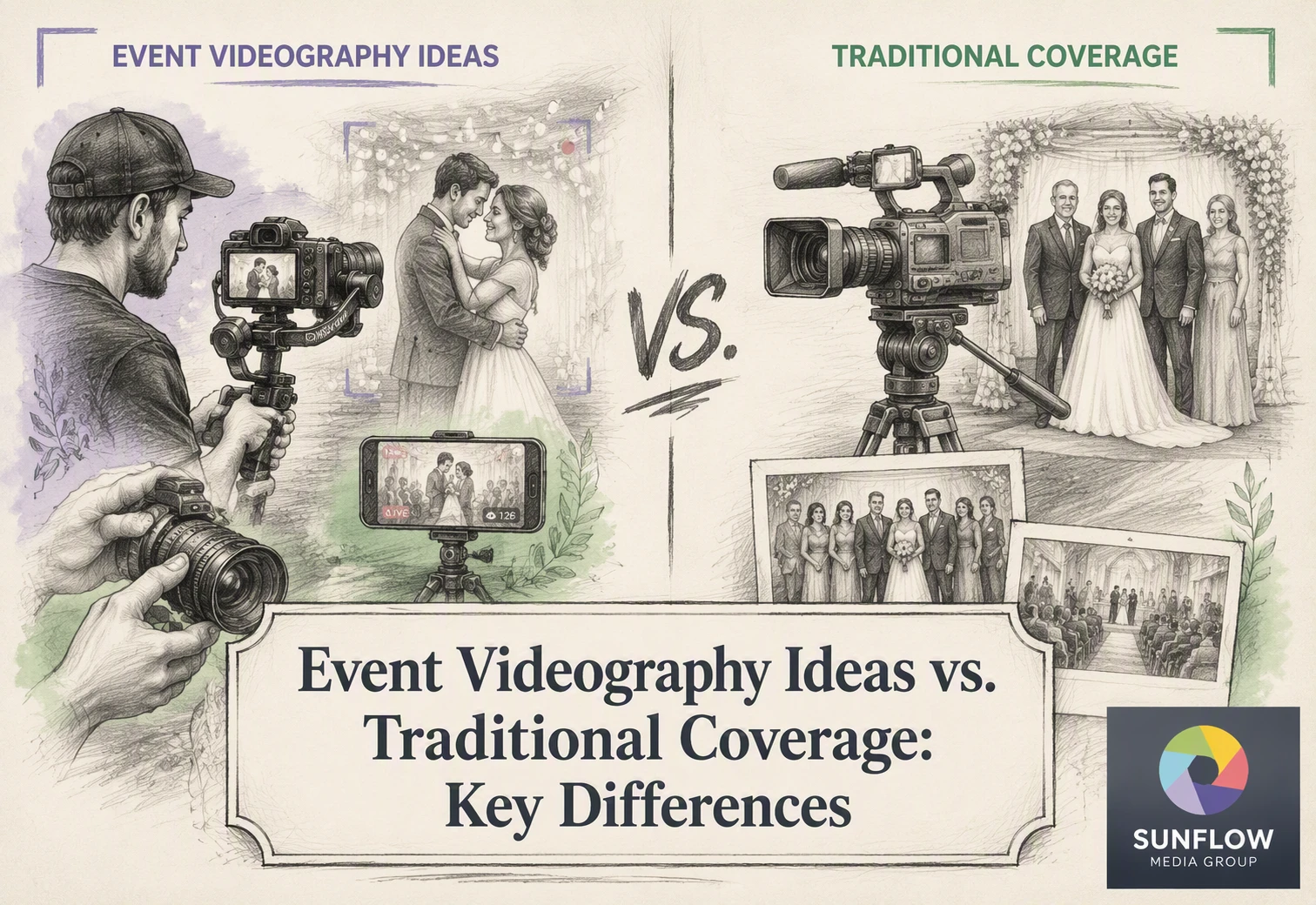

In summary, cinematic wedding videography creates an emotional story using selective footage and music. Traditional coverage captures the full event chronologically with complete audio.. Couples prioritizing curated emotions should choose cinematic style. Those wanting every word, like full vows or speeches, need traditional coverage.. Michigan weather and audio quality can impact your final video. Always check for lav mics and backup recorders.
Choose feeling or a full record? Cinematic wedding footage tells an emotional story; traditional wedding videography preserves each word. These wedding videography styles are not interchangeable. This comparison breaks down wedding videography styles, cost, sound, and deliverables. It helps Michigan couples and event pros evaluate proposals clearly.. Many weddings benefit from a planned hybrid.
Cinematic vs. Traditional Wedding Videography: At a Glance
| Cinematic wedding videography | Traditional wedding videography | |
|---|---|---|
| Storytelling approach | Nonlinear, emotion-led narrative | Chronological, documentary record |
| Coverage and editing | Selective footage with intensive editing | Long-form edits with fuller event coverage |
| Audio preservation | Curated vows, speeches, and ambient sound | Extended or complete live audio |
| Best for | Couples prioritizing emotional replay | Couples prioritizing completeness |
| Typical value drivers | Post-production, creative coverage, audio design | Coverage hours, cameras, audio, delivery format |
How Cinematic wedding videography and Traditional wedding videography Compare
Cinematic wedding videography
The answer is: Cinematic wedding videography is a crafted film centered on emotion, music, pacing, and selected live sound. In summary, cinematic style suits couples who prioritize emotional replay over a full event record. Among wedding videography styles, its focus is story shape and polished post-production.
Traditional wedding videography
Traditional wedding videography preserves the day in chronological order. It includes longer ceremony, reception, and speech coverage. The answer is: Traditional coverage fits couples who value complete moments and extended live audio. Its focus is a reliable documentary record with less storytelling compression.
Storytelling and Emotional Impact Compared
What Cinematic Editing Adds
Cinematic editing shapes the day into a felt story. It pairs vows, speeches, music, and quiet looks to build tension and release. Familiar music can bring back vivid, detailed memories, according to APA research.
![DOCUMENTARY VS CINEMATIC WEDDING VIDEOGRAPHY [Tips on Choosing your Style] (With Example Videos!)](
)
Ask for a sample that includes real ceremony audio, not only a music montage.
What Traditional Coverage Preserves
Traditional coverage protects the full record. You hear complete vows, toasts, dances, and family voices in order. It may feel less dramatic, but it leaves room for moments that matter later.
| Style | Emotional strength |
|---|---|
| Cinematic | Curated feeling and pace |
| Traditional | Full context and real-time memory |
Coverage, Audio, and Deliverables Matter More Than Labels
Audio Is the Boundary Between Pretty and Relivable
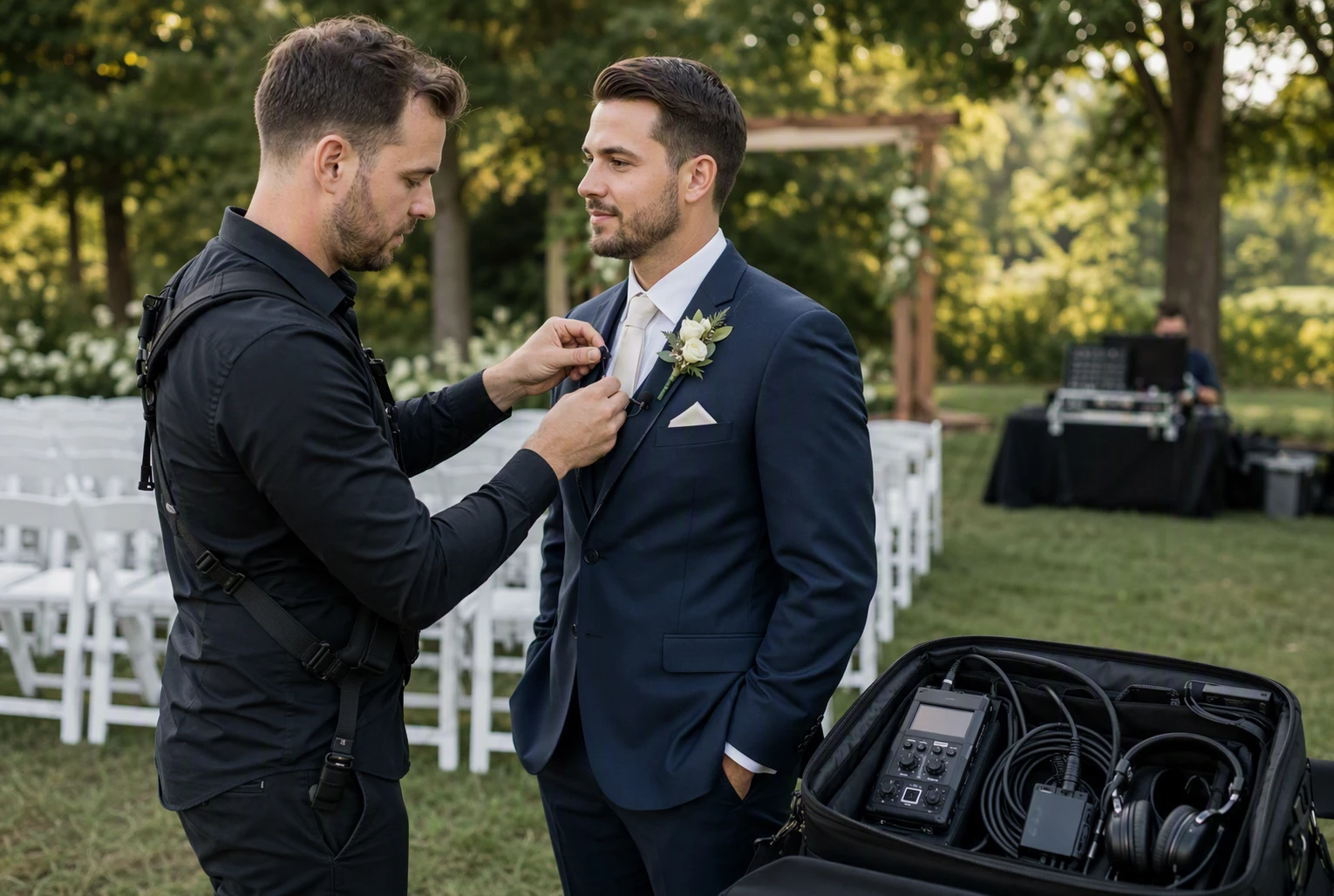
Ask how vows, toasts, and parent speeches are recorded. A lav mic, backup recorder, and sound-board feed protect the words that make a film personal. Michigan State guidance notes that poor sound can ruin professional-looking video.
Ask for the audio backup plan, not just a highlight-reel sample.
Read the Deliverables Before Comparing Prices
Compare the actual package, line by line:
| Deliverable | Confirm |
|---|---|
| Coverage | Start and end times |
| Films | Highlight and full ceremony |
| Files | Download, USB, and delivery date |
- Check raw-footage terms.
- Ask whether edits include revisions.
Also Read: Event Videography Ideas: 12 Creative Ways to Capture Moments
How to Choose for a Michigan Wedding
Choose traditional coverage if you want full vows, speeches, and key dances preserved. Pick event videography ideas with an editorial feel if mood, detail, and a short film matter most.
Michigan weather can shift fast, so ask for an indoor backup plan and check the NOAA Michigan forecast.
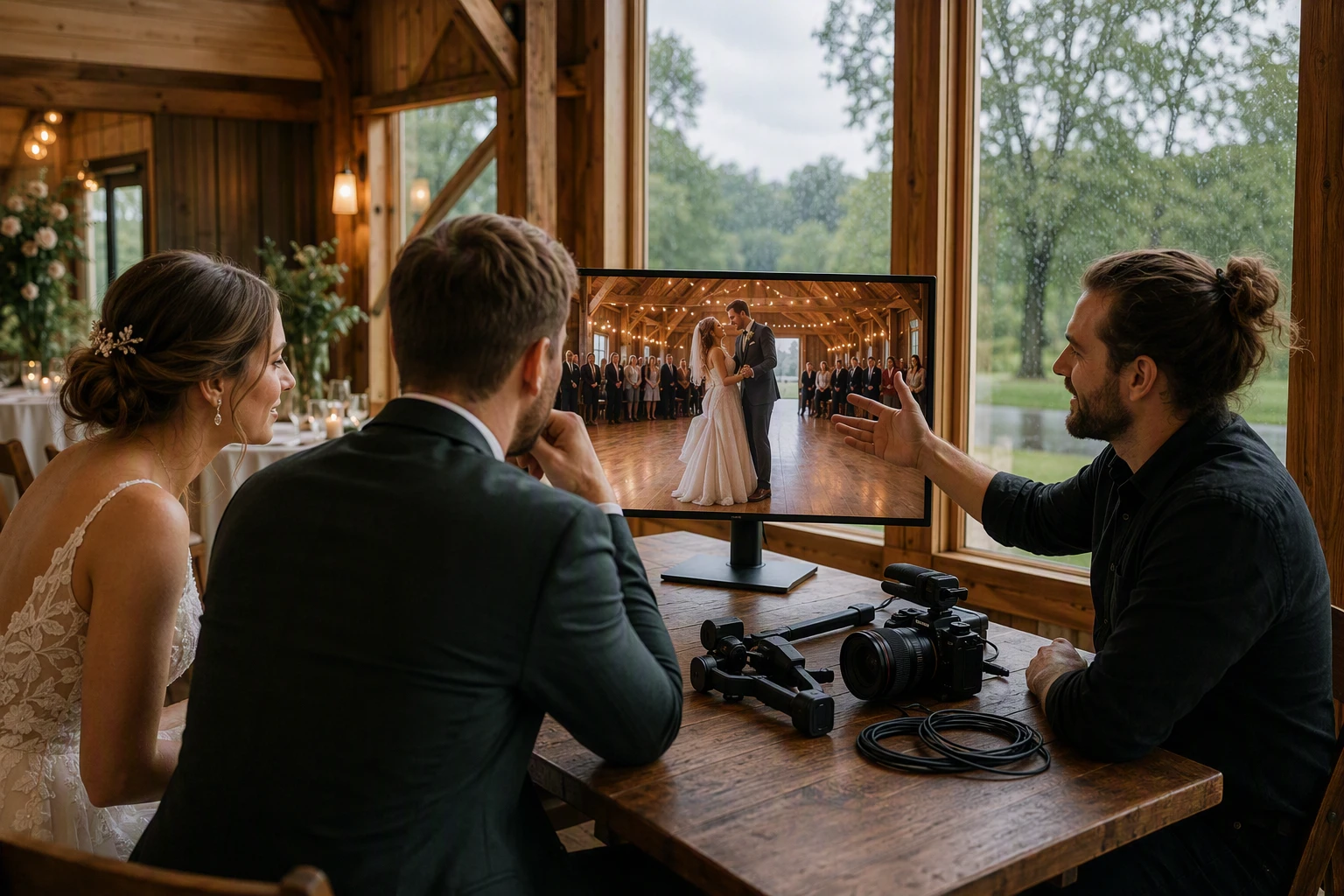
- Want every voice? Prioritize clean audio.
- Want a cinematic keepsake? Prioritize story and pacing.
Ask to see full ceremony footage, not only highlight reels.
Also Read: Wedding Memory Preservation: Best Ways to Save Every Detail
Which Wedding Videography Style Should You Choose?
Choose traditional coverage if you want full vows, speeches, and key events saved clearly. Choose editorial coverage if mood, pacing, and a polished film matter more than every moment.
| Your priority | Better fit |
|---|---|
| Complete record | Traditional |
| Emotional, crafted story | Editorial |
Ask for one full ceremony sample and one highlight film before booking.
Choose a style that feels true to your day. Sunflow Media builds custom Michigan wedding coverage with clear planning and lasting emotion.
Frequently Asked Questions
Q1: What’s the difference between cinematic and traditional wedding videography?
Cinematic coverage uses planned shots and music edits. Traditional coverage records events fully, with more real-time audio.
Q2: Which wedding videography style is best for emotional storytelling?
Cinematic style works best for an emotional film. Traditional style is better for hearing full vows, speeches, and family moments.
Q3: How much does cinematic vs. traditional wedding videography cost in Michigan?
Cinematic work often costs more because of planning and editing. Ask about deliverables, hours, audio, and raw footage.
Conclusion
Choose editorial coverage for a polished mood. Choose traditional coverage for complete memories. Style differences matter most when they match your priorities.